

The themes of blindness, loss of sight, and poor sight, are some of the most common themes which appear in Sacred Scripture. This suggests that the particular affliction – whether from birth or occurring in formerly sighted people – was not uncommon and provides a foundation of experience for our sacred authors. A quick scan in a biblical concordance reveals a wealth of passages in which the blind or blindness is mentioned, and that’s without looking for phrases which express loss of sight or similar experience.
Category Archives: Lectio Divina
Mark 8:11-13 – Signs

Just a few verses, but so much comes into our prayer as Christ asks us to reflect with him on the value of signs in our lives. The Pharisees are really not very happy people! Almost nothing satisfies them and they continually hanker after something more. It’s a way of life and an outlook on life which is doomed to be characterized by perennial disappointment. More than that, it lacks the wonder and awe which is the mark of those who know that they have the possibility of encountering mystery at every moment.
Mark 8:1-10 – A Second Course – the Same but Different

There is no repetition in a Gospel simply for the sake of repetition. In this the sacred writings are somewhat akin to music, when a section is marked with a repeat mark: although the very same notes and chords will be played the performer must have a sense of a slightly different feel to the same music and communicate that to the audience.
Mark 7:31-37 – Be Opened!
Very few of us can recall the moment of our baptism because it belongs to our farthest infancy and so resides in that time when memory is not yet attuned to explicit storing and recall. Perhaps that has something to do with our difficulty in allowing it to be the dynamic event which it is in itself.
Mark 7:24 – 30 – A Scrappy Encounter

One of the striking things about all four Gospel accounts is the place and role given to women in their relationships with Jesus and how he meets them and engages with them. It was certainly a counter-cultural way of behaving, in that it is obvious that Jesus gave space to women to become real protagonists with him.
Mark 7:14 – 23 – A Personal Examen

In these few verses Mark draws what appears to be a particular conclusion from Jesus’ teachings, but uses it to bring us to a very deep place, a place of specific personal reflection. What comes from within us and what work must we do if what we bring forth is at variance with the Gospel, or spiritually unhealthy, or morally unacceptable.
Mark 7:1-13 – Letter and Spirit
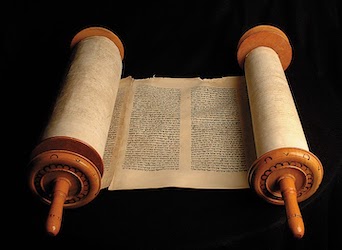
Jesus confronts the tension which can arise between being too observant and being too lax – our understanding of what law is helps us to accept and live the new law of the Gospel.
Mark 6:53-56 – They Recognised Him

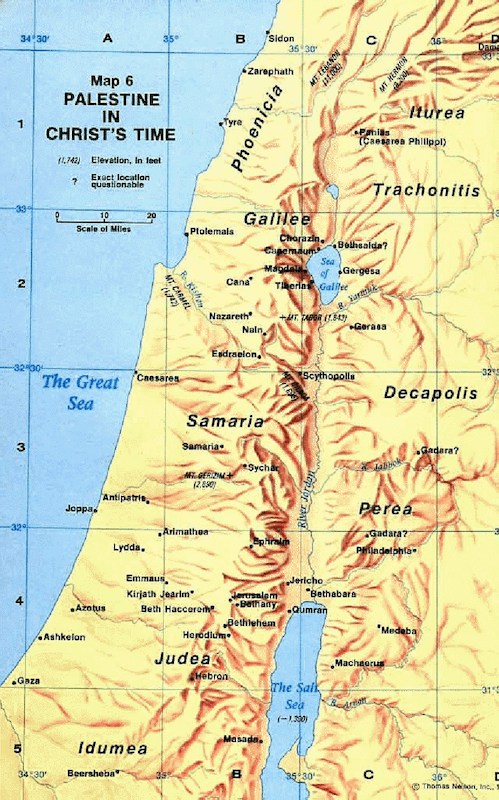
The extraordinary events which have taken place on the water and the disciples incredulity is immediately left behind when the little boat reaches the far side, at Gennesaret, and ties up. These few verses, while in themselves providing just a simple narrative conclusion to the larger section and a link to the next section, still invite us with a serious question…
Mark 6:45-52 – Water, Water Everywhere

Once again, we find ourselves on the waters, and in difficulty; at sea, but not lost. Mark’s fascination with Jesus and the disciples’ toing and froing on the Sea of Galilee really asks for our serious consideration. But before that, there’s still the matter of a mighty crowd, who have just been fed.
Mark 6:30-46 – The Kingdom Feast (Part 2)

There are few passages in the Gospels which have so forcefully inserted themselves into the popular mind like the miracle which we now pray with, the multiplication of the loaves and fishes, or the feeding of the multitude. As stories go it is a gripping one: huge crowds swarming about the place; in their midst, a charismatic young preacher, whom they have been following around and who has been exciting them and engaging them with his teaching and deeds…
 Our Lady of Bethlehem Abbey, Portglenone